
“What if the most important part of an assessment is not the grade students receive, but what happens after it?”
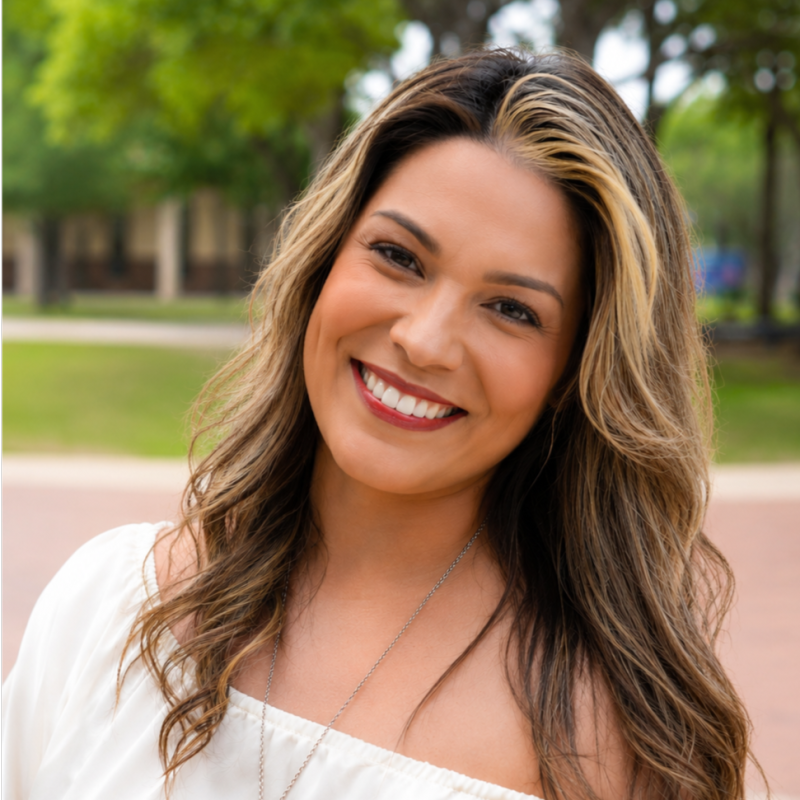
As a former K–12 teacher and campus administrator, and now as an assistant professor preparing future educators, I have spent considerable time thinking about feedback. We give feedback through classroom conversations, written comments, observations, evaluations, and assessments. Yet I often wonder how intentionally we teach students to understand, receive, and act upon it. A grade tells a student where they stand. Meaningful feedback should help them understand where to go next. This semester, through Sul Ross State University’s Connecting with Students for Success initiative, I have been reflecting more intentionally on how feedback shapes student learning, relationships, confidence, and growth. That reflection became an opportunity to move beyond discussing feedback as an instructional strategy and begin treating it as a skill our future educators must experience and practice.
Understanding Feedback Before Giving It
In EDSR 3301: Planning, Instruction, and Assessment, students explored Chapter 3, “Give It,” from Dr. Brodie Gregory Riordan’s Feedback Fundamentals: Give It, Ask for It, Use It (2026). Riordan’s work challenges us to consider not only what we communicate but also our purpose for providing feedback, how it is delivered, and whether it creates meaningful opportunities for improvement. One important idea we explored was the distinction between feedback intended to support growth and comments that simply communicate approval, disapproval, or judgment. As future educators, our students must recognize that feedback is not simply about identifying mistakes. It is about helping learners understand the relationship between their current performance, the intended learning goal, and the steps necessary to move forward. We extended this learning through examples of peer critique, including Austin’s Butterfly, which illustrates how specific, actionable feedback can help learners improve through multiple revisions. Our students were challenged to think about a fundamental question: Are we providing feedback that helps students improve, or are we simply telling them what they did wrong?
Learning Directly From the Author
On October 21, our EDSR 3328 students had the opportunity to engage in a virtual interview and discussion with Dr. Brodie Riordan. This experience connected the research students encountered in their readings with the practical realities of teaching, learning, and professional growth. Our discussion centered on the importance of purposeful feedback, the challenges associated with giving and receiving it, and the responsibility educators have to create conditions where feedback can be understood and used. For our teacher candidates, this conversation reinforced that effective feedback requires intention, reflection, and an understanding of the person receiving it. It also provided an opportunity to consider feedback beyond the classroom. As developing professionals, these students will receive feedback from mentor teachers, supervisors, colleagues, administrators, and eventually their own students. Learning to receive and use feedback is just as important as learning to give it.
Moving From Theory to Practice
We then carried these conversations into practice-based learning experiences across two education courses. In EDSR 3301: Planning, Instruction, and Assessment, students participated in a Feedback Studio and instructional scenario activities. Rather than simply identifying whether feedback was positive or negative, they examined classroom situations and considered how a teacher’s response could influence student understanding and subsequent learning. Through scenarios, role-play, and discussion, students practiced identifying evidence of learning, developing specific feedback, and determining appropriate instructional next steps. We connected these decisions to lesson planning, learning objectives, and assessment alignment. Students were challenged to consider whether their assessments actually measured what they intended to teach and whether the feedback they provided would move learning forward. In EDSR 3328: Foundations of Bilingual Education, we extended these ideas through assessment analysis and differentiated instructional planning. Students examined hypothetical learner profiles, including emergent bilingual students, students receiving special education services, students with Section 504 plans, gifted learners, and general education students. Using assessment evidence, they considered how teachers should respond when students demonstrate different levels of content understanding and language proficiency. For emergent bilingual learners, this distinction is particularly important. A student may understand a concept without yet having the English language proficiency necessary to communicate that understanding in the manner expected by an assessment. If educators interpret every language-related difficulty as a content-learning deficit, their feedback and instructional decisions may fail to recognize what the student actually knows. Through these activities, our teacher candidates practiced distinguishing language development needs from content-learning needs, selecting appropriate instructional supports, and planning next steps based on evidence.
Connecting Feedback to Student Success
These experiences also reinforced an important principle behind Sul Ross State University’s Connecting with Students for Success initiative: student success is strengthened through intentional connections between faculty and students. Meaningful feedback is one way we build those connections. When we provide thoughtful, individualized responses to student work, we communicate that we recognize their efforts, understand their learning needs, and believe in their capacity to grow. But connection also requires listening. As faculty, we must remain willing to ask students how they are experiencing our instruction, what supports they need, and whether the feedback we provide is helping them make progress. This requires us to examine our own instructional decisions with the same reflective mindset we expect from our students. Are our expectations clear? Are our assessments aligned with our objectives? Are we providing opportunities for students to apply feedback? Do our instructional practices make space for students to ask questions, revise their thinking, and demonstrate growth? These are questions I continue to ask myself as I transition from K–12 leadership into higher education.
Preparing Educators Who Lead Learning Forward
For me, the most meaningful part of these experiences was creating opportunities for future educators to see feedback as more than a requirement of teaching. It is a professional responsibility. The teacher candidates in our classrooms today will eventually become the educators responsible for assessing learning, responding to student needs, and communicating progress to families. Their understanding of feedback will influence how their future students experience mistakes, academic challenges, improvement, and success. As faculty members in educator preparation, we have an opportunity to model the instructional practices we hope our students will carry into their own classrooms. We can teach the research, facilitate meaningful conversations, provide authentic opportunities for practice, and demonstrate what thoughtful feedback looks like through our own interactions with students. My hope is that students leave these courses understanding that feedback is not merely something teachers provide after learning has occurred. Feedback is part of how learning occurs, and perhaps our greatest responsibility is to ensure that the feedback we give does more than evaluate what students have accomplished. It should help them recognize what they are capable of accomplishing next.
Turning the Lens Inward: Rethinking Feedback in My Own Classroom
While these experiences reinforced my commitment to preparing future educators who understand the power of meaningful feedback, they also invited me to turn the lens inward and examine my own instructional practices. If I believe feedback should create opportunities for continued learning and growth, how intentionally am I creating those same opportunities for the students in my own classroom? During our recent author interview with Dr. Brodie Riordan, one of my colleagues raised a question that has stayed with me: How do we ensure that the feedback we provide is actually used by students to revisit their thinking, strengthen their work, and continue growing as learners and future educators? As our conversation unfolded, two examples particularly resonated with me. One colleague shared that she intentionally focuses on providing students with one key area for improvement, something specific and manageable that they can apply to their work. She then follows up with students to revisit that feedback and encourage continued growth. During the same conversation, one of my students shared an example from another professor at Sul Ross State University who provides written feedback directly within student essays using a different font color. Students can then respond, revise, or make adjustments using another color, allowing both the professor and the student to see how the work evolves through the feedback process. What I appreciated most about these examples was their simplicity and intentionality. Neither required an entirely new instructional framework. Instead, both created opportunities for feedback to become an ongoing conversation rather than a final evaluation. These conversations challenged me to look more closely at my own practices. Am I creating enough opportunities for students to revisit the feedback I provide? Am I intentionally designing assignments and learning experiences that allow students to apply that feedback before moving on to the next task? And perhaps most importantly, am I helping students recognize their own growth throughout that process? As I prepare for the next semester, I have begun developing a plan for how I might integrate feedback more intentionally into the structure of my courses. My working hypothesis is that when feedback is specific, manageable, and followed by meaningful opportunities for revision, reflection, and application, students are more likely to see it as an essential part of their learning rather than simply a justification for a grade. I envision creating more opportunities for students to identify an area for growth, respond to feedback, demonstrate how they have applied it, and reflect on the progress they have made. I do not have all the answers, and I certainly do not have a fully developed model to share just yet. This is something I am building as I go, informed by research, conversations with colleagues, and, most importantly, what I am learning from my students. My hope is to begin implementing these ideas next semester and continue sharing what I discover, including what works, what needs adjusting, and what my students teach me along the way. For now, this first semester has reminded me of the tremendous value of feedback, not only for my students but for me as an educator. Just as I ask my students to remain open to reflection, revision, and growth, I must be willing to do the same in my own teaching. And I hope that, in some small way, my students are leaving this semester with a deeper understanding that feedback is not a reflection of their limitations, but an invitation to recognize their potential. I leave my fellow educators with two questions that I am also asking myself: How are we intentionally creating opportunities for students not only to receive feedback, but to understand it, apply it, and recognize their own growth along the way? And how might we rethink our instructional practices so that feedback becomes less about evaluating what students have already accomplished and more about empowering them to discover what they are capable of accomplishing next?
References and Further Reading
Riordan, B.G. (2026). Feedback fundamentals: Give it, ask for it, use it (2nd ed.). Routledge. Chapter 3, “Give It.”
Sul Ross State University. Connecting with Students for Success, a faculty initiative focused on strengthening student connections, engagement and academic success.